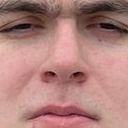
The Disturbing Truth About Sinjin Van Cleef: Why He Was Consistently Avoided
While many online queries revolve around understanding figures like "Sinjin Smith net worth," it's crucial to clarify that the character at the heart of this discussion is Sinjin Van Cleef from the hit Nickelodeon show *Victorious*. Unlike a celebrity's financial standing, Sinjin Van Cleef's 'value' is measured not in dollars but in his profoundly unsettling impact on both his fellow characters and the show's audience. He was a character designed to evoke discomfort, a masterclass in how to craft someone so utterly off-putting that avoidance became the only logical reaction. This article dives deep into the truly disturbing truth about Sinjin Van Cleef – why he was consistently avoided, and what unnerving theories emerged regarding his very nature.
Sinjin, with his perpetually messy hair, unusual interests, and a distinct lack of social graces, wasn't just a quirky background character; he was a walking, talking embodiment of everything the main cast (and many viewers) wanted to steer clear of. From unexpected appearances to genuinely alarming behaviors, his presence often signaled an impending cringe or outright alarm. Understanding Sinjin isn't about calculating a
net worth; it's about dissecting the deliberate choices that made him one of television's most memorable, albeit disturbing, supporting roles.
Unpacking Sinjin's Unsettling Persona: Beyond Mere Awkwardness
Sinjin Van Cleef was more than just socially awkward; he was intentionally creepy. This distinction is vital to understanding why he was so effectively avoided. Social awkwardness often stems from a lack of understanding social cues or anxiety in social situations, leading to unintentional gaffes. Sinjin, however, seemed to possess a keen awareness of his impact on others, often leaning into his unsettling tendencies rather than trying to mitigate them.
Consider these aspects of his persona:
* He knew he was perceived as a creep, and he didn't seem to mind. Characters often told him directly how uncomfortable he made them, yet he continued his peculiar behaviors without visible remorse or an attempt to change. This self-awareness, coupled with a lack of desire for social integration, set him apart from typical "nerd" or "outsider" archetypes.
* His interests were often bizarre and borderline disturbing. From collecting teeth to obscure and grotesque experiments, Sinjin's hobbies were consistently designed to repel rather than attract. These weren't just quirky passions; they often ventured into areas that made others genuinely question his sanity or intentions.
* He frequently invaded personal space and ignored boundaries. Whether it was showing up uninvited, staring intensely, or making inappropriate comments, Sinjin rarely adhered to accepted social norms regarding personal space and respect. This persistent boundary-crossing was a major contributor to the discomfort he generated.
The writers clearly crafted Sinjin not just for laughs, but to create a palpable sense of unease. He served as a stark contrast to the aspirational and talented main characters, highlighting their relative normalcy by comparison. His unsettling nature wasn't an accident; it was a deliberate and masterful piece of character design that made him unforgettable for all the wrong reasons.
The Disturbing Actions That Made Sinjin a Social Pariah
It wasn't just Sinjin's bizarre hobbies or his general demeanor that caused characters to avoid him; it was his specific, often illegal, actions. These incidents escalated his "creep factor" from mere oddity to genuine threat in the eyes of his peers. The provided context highlights one particularly egregious example:
*
The Break-in at Jade's House: This act alone is a serious criminal offense and a profound invasion of privacy. For Sinjin to break into a classmate's home demonstrates a complete disregard for personal boundaries, safety, and the law. This isn't quirky behavior; it's outright criminal and terrifying. Such an act would justifiably make anyone want to avoid him at all costs, not just in a school setting, but entirely.
Beyond the specific break-in, Sinjin's pattern of behavior included numerous less severe but equally unsettling acts:
* **Stalking Tendencies:** He often appeared unexpectedly in places he shouldn't be, observing the main characters from a distance. This constant, uninvited presence mimicked stalking behavior, making his classmates feel constantly watched and vulnerable.
* **Inappropriate Physical Contact:** While not always malicious, Sinjin often overstepped in physical interactions, making others visibly recoil. This inability or unwillingness to understand consent and personal space further cemented his status as someone to be avoided.
* **Public Display of Disgusting Objects:** His habit of bringing gruesome or unhygienic items to school, whether it was a jar of preserved organs or unusual "snacks," served to gross out his peers and make them want to put as much distance between themselves and him as possible.
These actions are not the hallmarks of someone who is simply shy or misunderstood. They represent a willful defiance of social norms and a disturbing lack of empathy, making Sinjin a character that, in a real-world scenario, would raise serious red flags and warrant professional intervention or, at the very least, strict avoidance.
Decoding the Name: Is Sinjin Van Cleef a Literal "Demon from Hell"?
Perhaps the most fascinating and disturbing theory surrounding Sinjin's character involves the hidden meaning behind his full name: Sinjin Van Cleef. This theory, gaining traction among fans, suggests that the writers might have embedded a much darker, symbolic truth within his very identity, perhaps as a subtle, morbid joke or a deeper commentary on his inherently unsettling nature.
Let's break down the etymology:
*
Sinjin: This name is theorized to be a portmanteau of "Sin" and "Jinn." In Islam, Jinns (or Djinn) are supernatural creatures, often associated with demons or spirits, capable of both good and evil, but frequently depicted in folklore as malevolent tricksters or demonic entities. If this interpretation holds, "Sinjin" could literally mean "Sinning Demon" or "Demon of Sins."
*
Van Cleef: This surname has Dutch/Belgian origins, translating to "from Cleef." The Flemish word "Cleef" is related to the Dutch "Kleef," which is the Dutch name for the German city Kleve. The city's name, in turn, is thought to derive from the Celtic-Germanic tribe of "Colevae," meaning "below the cliffs."
Now, combine these elements: "below the cliffs" is an evocative phrase that could be interpreted as a euphemism or direct reference to a subterranean, dark place – often associated with Hell or the underworld.
Therefore, the full name Sinjin Van Cleef could be interpreted as:
"Sinning Demon from Hell" or
"Demon of Sins from Hell."
This deep dive into his name, explored further in articles like
Is Sinjin from Victorious a Demon? Decoding His Name and
Sinjin Van Cleef: Unmasking the 'Demon from Hell' Meaning, adds an entirely new layer of disturbing genius to the character. It transforms him from merely creepy to potentially supernaturally sinister, cementing his status as someone whose very essence is designed to be avoided. Whether an intentional writer's Easter egg or a serendipitous coincidence, the theory undeniably enhances the character's unsettling mystique.
The Lasting Impact of a Cult Classic Character
Despite (or perhaps because of) his disturbing nature, Sinjin Van Cleef remains one of the most memorable characters from *Victorious*. His consistent presence, even in small doses, served several important narrative functions:
* **Comic Relief with an Edge:** While his actions were often concerning, the show frequently played them for dark comedy, using the main characters' reactions to amplify the humor. This balance between repulsion and amusement is a hallmark of effective unsettling characters.
* **A Yardstick for Normality:** Sinjin's extreme oddities made the main cast seem much more relatable and "normal" by comparison. He highlighted the everyday challenges and social dynamics of high school life by presenting an exaggerated counterpoint.
* **Generating Discussion and Theories:** The "demon" theory, among others, shows how deeply Sinjin resonated with audiences. Good characters, even unsettling ones, spark conversation and inspire fans to look for deeper meanings, extending the show's impact beyond its airtime.
From a practical perspective, Sinjin's character offers a fascinating case study in how to create a genuinely disturbing figure without resorting to outright villainy. His creepiness was insidious, pervasive, and often played for laughs, yet it had a consistent undercurrent of something genuinely unsettling. For anyone interested in character development, Sinjin serves as a masterclass in building an avoided character who still manages to be iconic.
Conclusion
Sinjin Van Cleef from *Victorious* was much more than a background character; he was a carefully constructed symbol of everything unsettling and avoidable. His disturbing actions, including invasions of privacy and boundary violations, combined with his self-aware embrace of his creepy persona, made him a character that viewers loved to hate and fictional peers desperately tried to escape. The fascinating theory surrounding his name, suggesting a hidden meaning of "Sinning Demon from Hell," only adds to the mystique and inherent unsettling nature that defined him. Ultimately, Sinjin's enduring presence in pop culture is a testament to the writers' ability to craft a truly unique and disturbing individual whose "value" lies not in a "Sinjin Smith net worth," but in the profound discomfort and unforgettable impression he left on an entire generation of viewers.